

An Introduction to One of the World’s Most Unique Island Nations
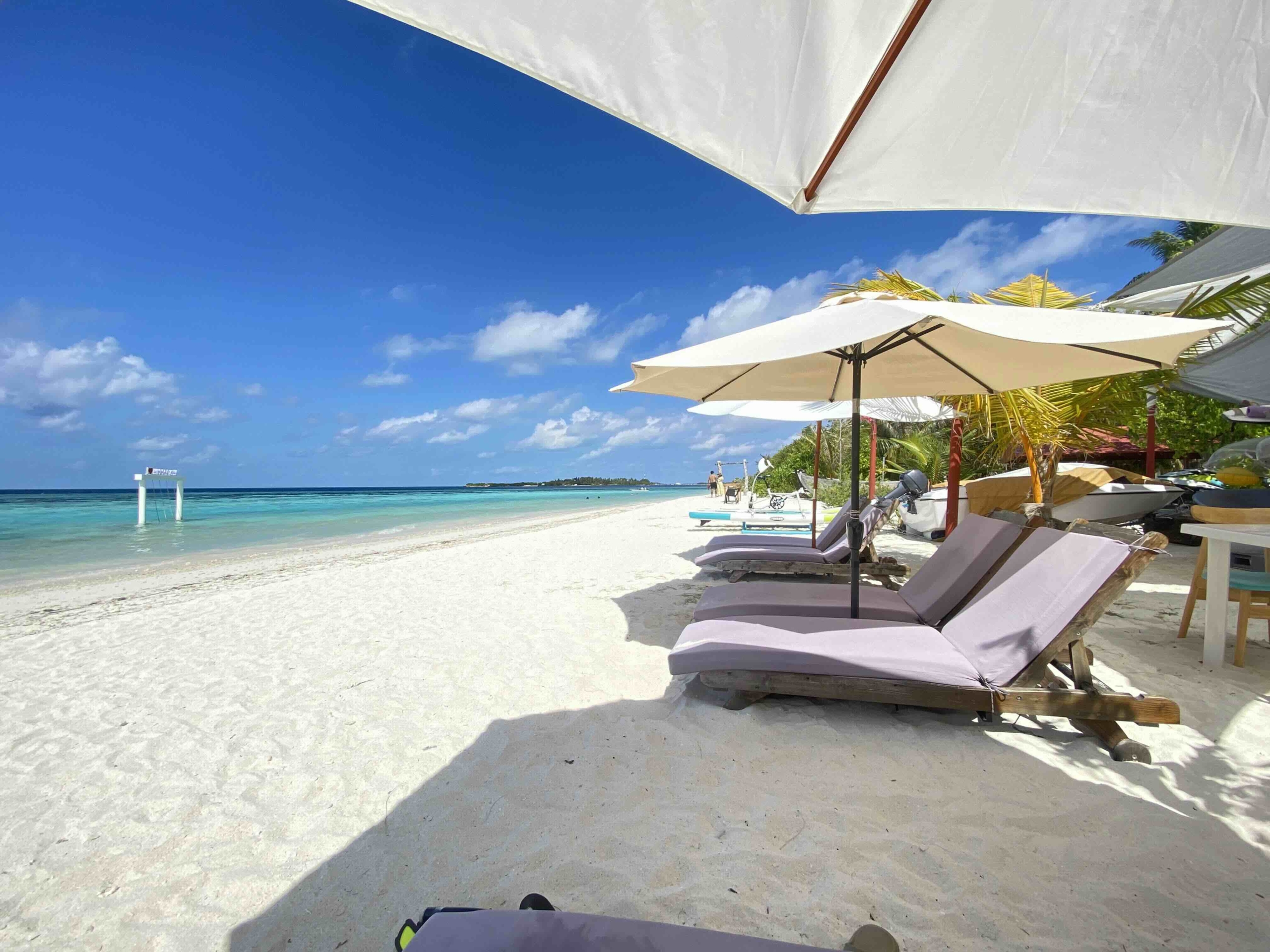
The Republic of Maldives is a small island nation in South Asia that often captures attention for its turquoise waters and luxury resorts. But beyond the postcard imagery, the Maldives is a fascinating country with a distinct geography, culture, and history that sets it apart from anywhere else in the world.
Made up of 1,190 coral islands grouped into 26 natural atolls, the Maldives stretches across the Indian Ocean southwest of India and Sri Lanka. The islands are spread over a vast area of sea, which gives the country its unique character and has shaped the way Maldivians live, travel, and do business.
Despite its relatively small land area, the Maldives has built a strong global identity and remains one of the most recognisable island nations worldwide.
Where Is the Maldives Located?
The Maldives lies in the central Indian Ocean, about 500 kilometres southwest of India and Sri Lanka. From north to south, the country spans nearly 870 kilometres, while its width is only around 130 kilometres at its widest point.
This wide geographic spread makes the Maldives one of the most geographically dispersed countries on Earth. While the total sea territory covers roughly 90,000 square kilometres, the combined land area of all islands is just 298 square kilometres.
Size, Population, and Identity
The Maldives is Asia’s smallest country by land area and one of the smallest sovereign nations in the world.
- Population: approximately 520,000
- Inhabited islands: around 200
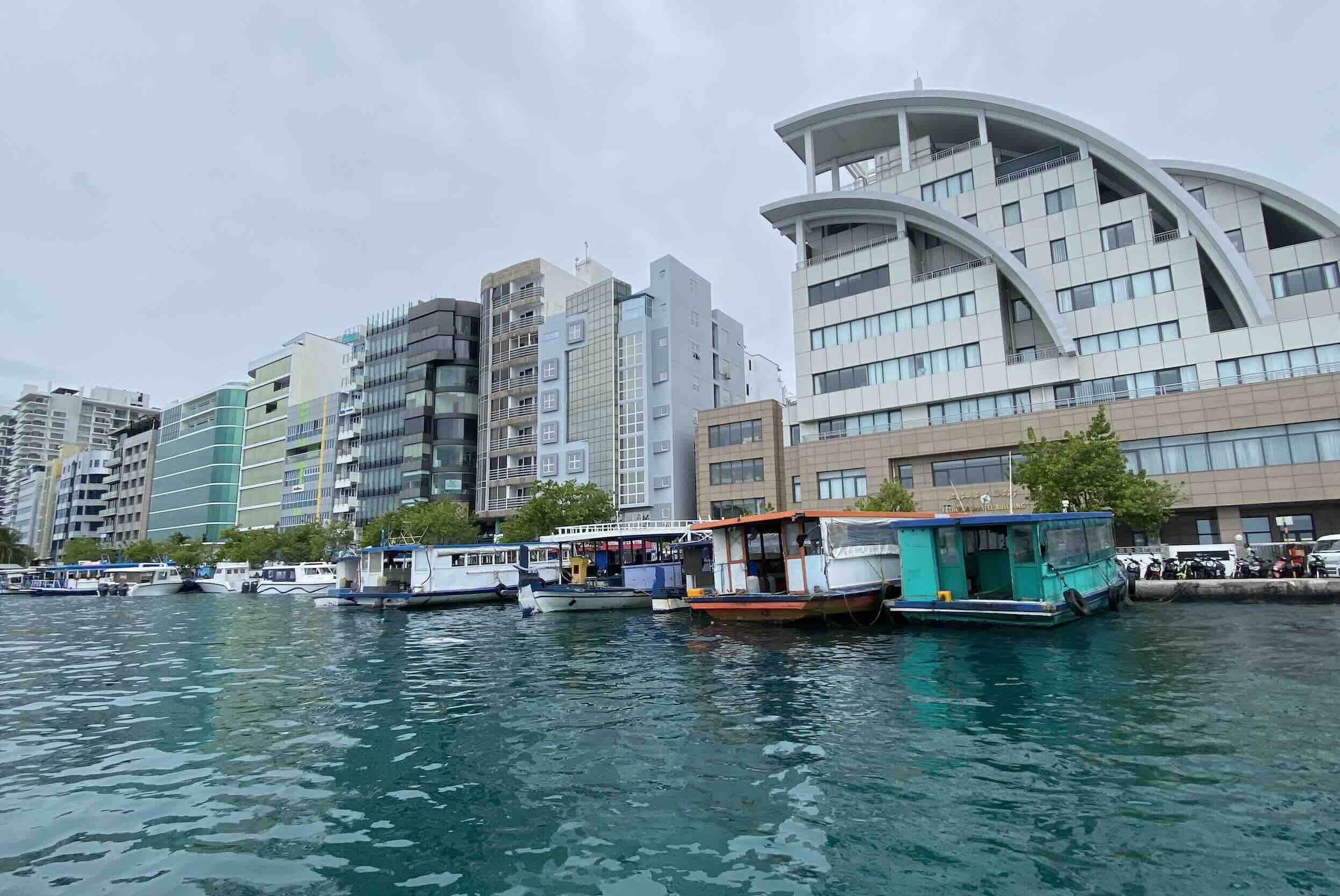
- Capital city: Malé
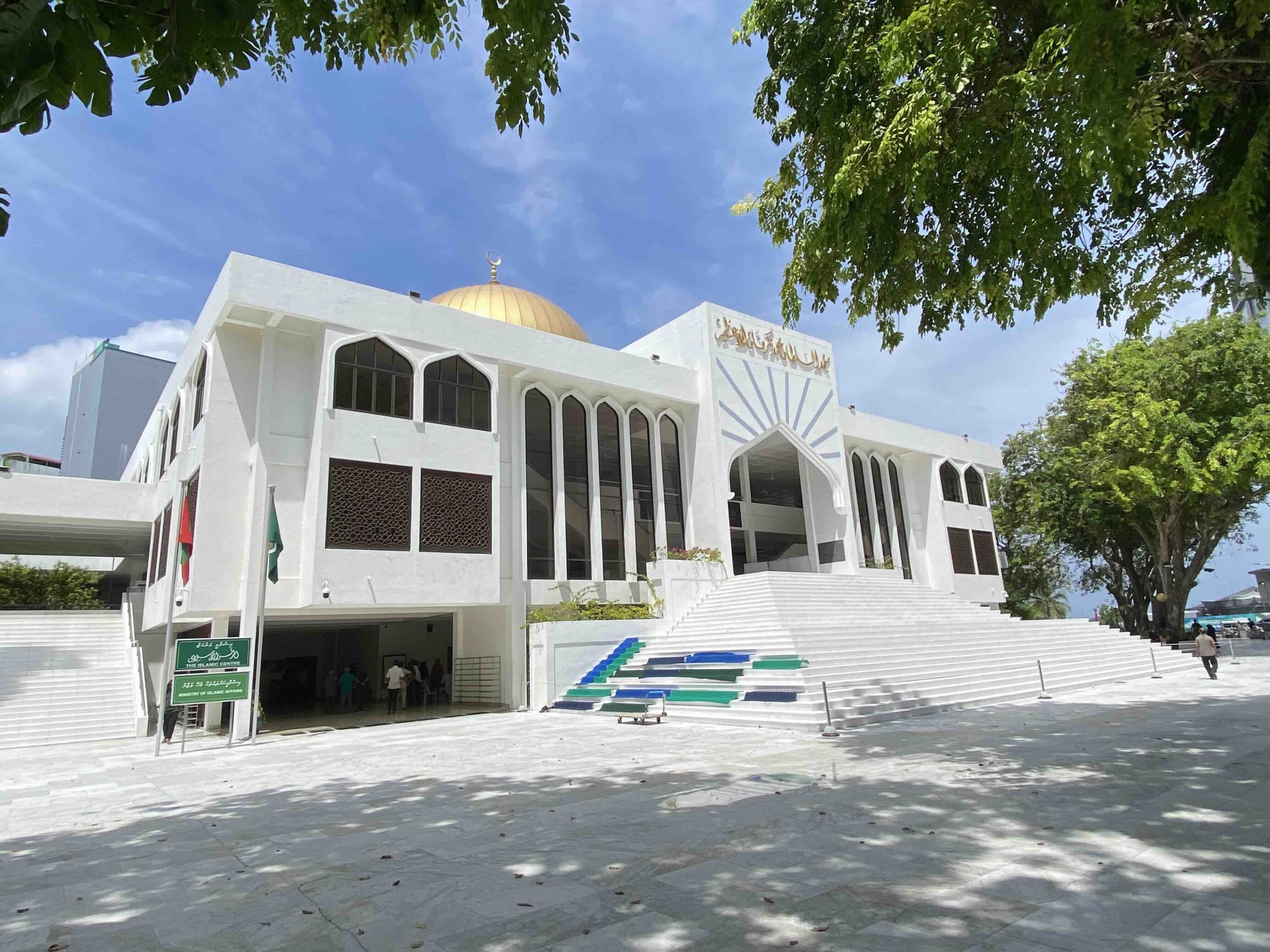
It is also the smallest Muslim-majority country by land size. Islam plays a central role in Maldivian culture, law, and daily life, shaping traditions, social values, and national identity.
A Brief Look at Maldivian History
Human settlement in the Maldives dates back over 2,500 years. Due to its position along historic trade routes, the islands were influenced by Indian, Arab, African, and Southeast Asian traders long before modern tourism existed.
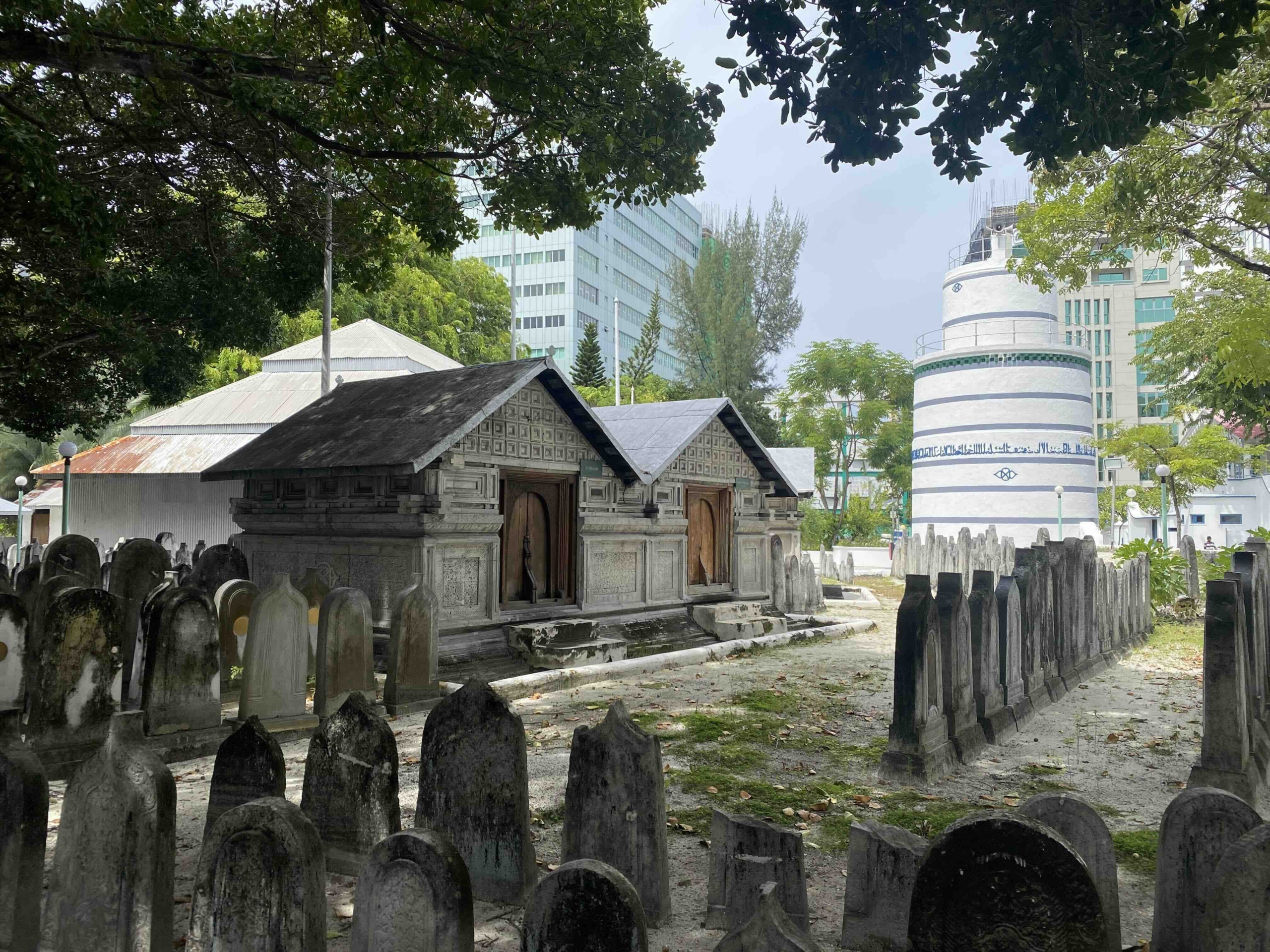
The Maldives was originally a Buddhist kingdom before converting to Islam in the 12th century. For centuries, it functioned as a sultanate, with strong maritime ties across the Indian Ocean.
In 1887, the Maldives became a British protectorate, while retaining internal self-governance. Full independence followed in 1965, and the country became a republic in 1968, marking the beginning of its modern political era.
How the Maldives Is Connected to the World
Despite its island geography, the Maldives is surprisingly well connected internationally.
- About 1 hour from Sri Lanka
- Just over 1 hour from southern India
- Around 4–5 hours from Singapore, Thailand, and the UAE
- Roughly 9 hours from Australia
- Approximately 16 hours from Europe
Velana International Airport in Malé serves as the main gateway, with direct flights from major global hubs, supporting tourism, trade, and international movement.
Tourism and the Maldivian Way of Life
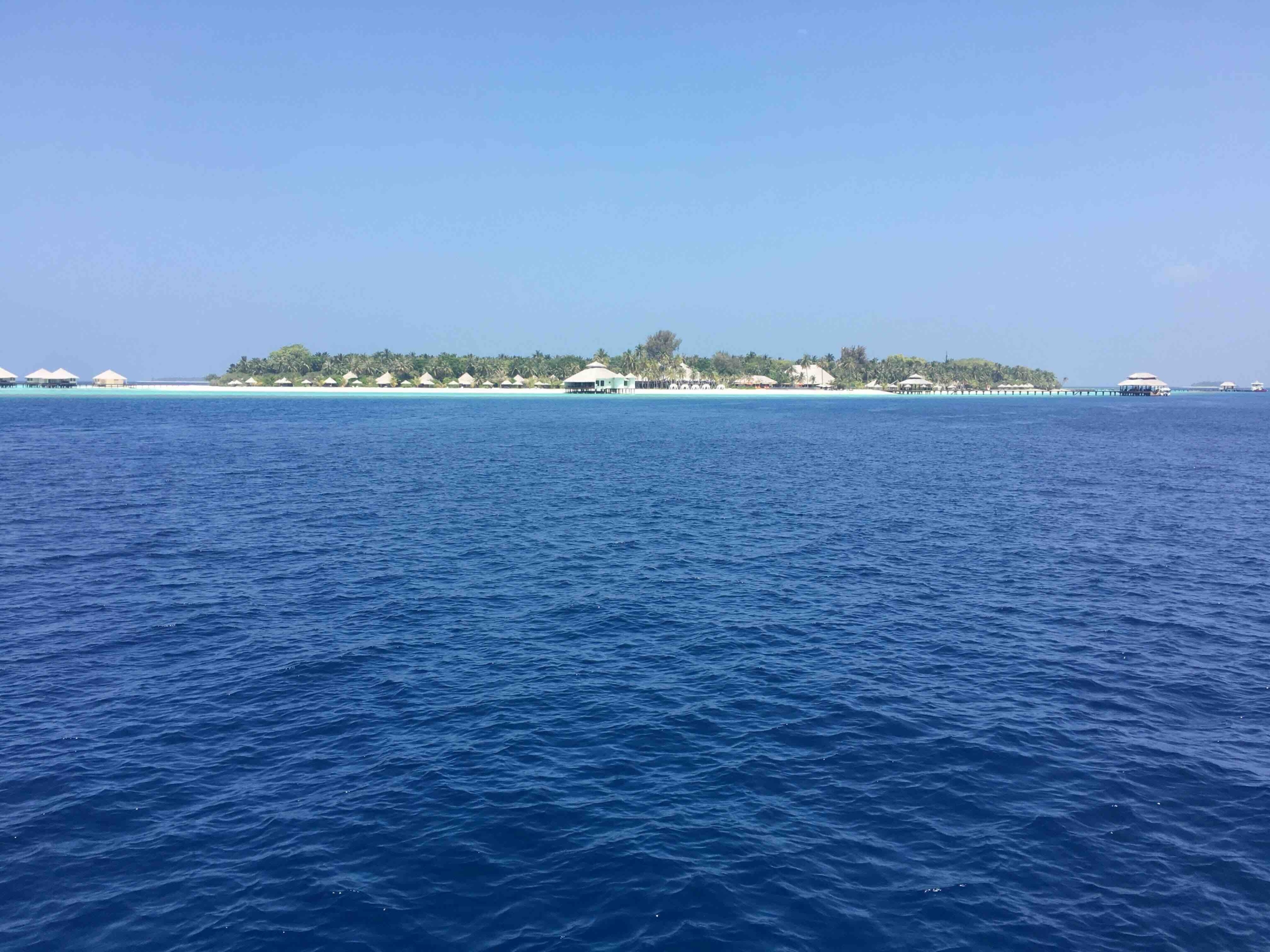
Tourism has played a central role in shaping the modern Maldives since the early 1970s. The country became globally known for introducing the “one island, one resort” concept, where an entire island is dedicated to a single resort.
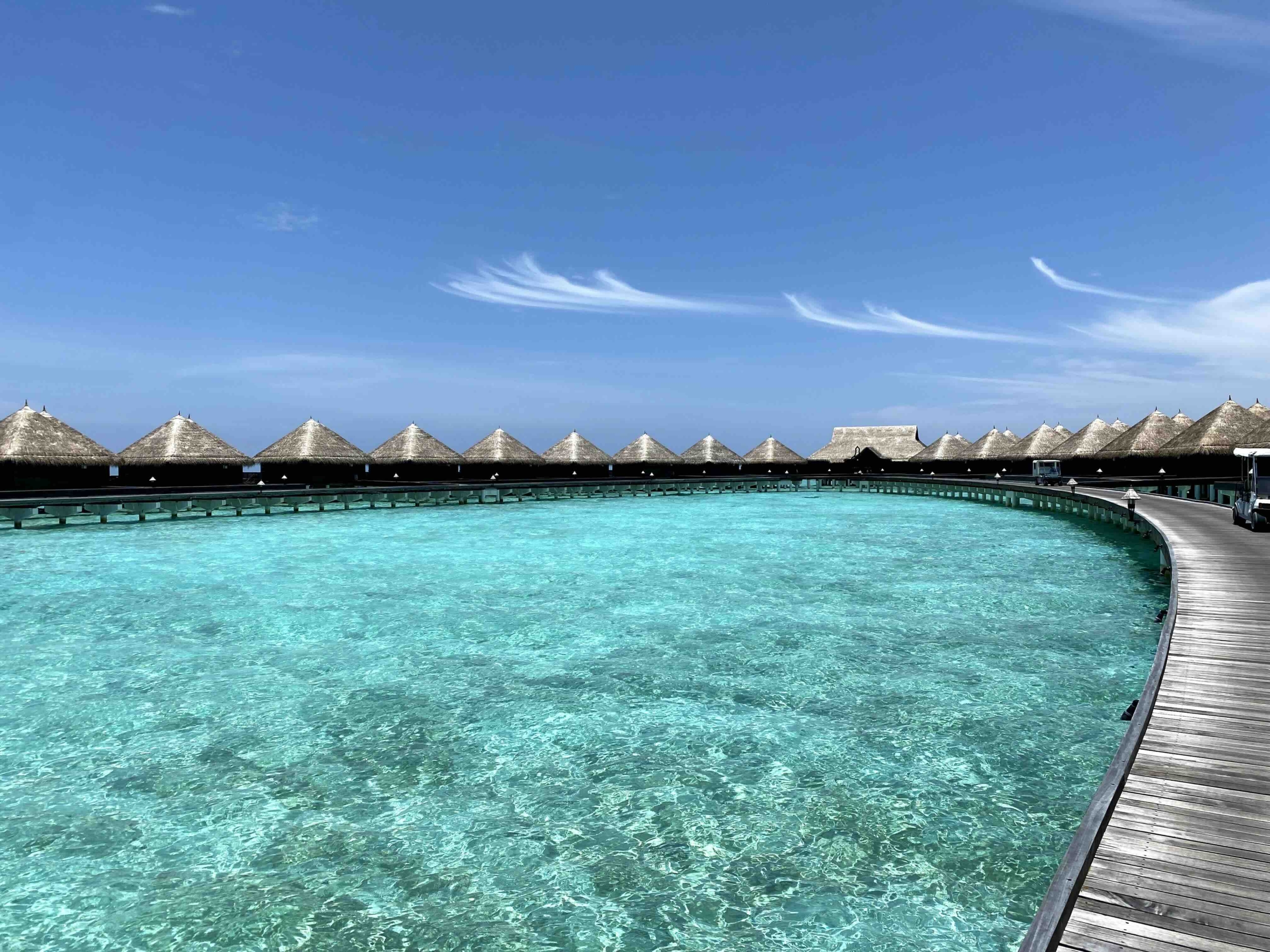
This approach helped preserve natural beauty while offering privacy and exclusivity, qualities that continue to define the Maldives today.
In 2023, the country welcomed over 1.8 million visitors, the highest number in its history, reflecting strong global interest in the Maldives as a leisure destination.
5 Interesting Facts About the Maldives
Here are five facts that often surprise people learning about the Maldives for the first time:
- The Maldives is the lowest country in the world
Its highest natural point rises only about 5.1 meters above sea level, making it the flattest nation on Earth. - Most of the country is ocean, not land
While the Maldives covers a large area on the map, over 99% of it is sea, with land making up a very small fraction. - Only a small number of islands are inhabited
Out of nearly 1,192 islands, only about 200 are home to local communities, while about 180 host resorts, a few leased for agriculture and fish processing and the rest remain uninhabited. - It pioneered modern luxury island tourism
The Maldives was one of the first countries to successfully develop high-end private island resorts, influencing luxury tourism worldwide. - It has built a global brand despite its size
Although tiny in population and land area, the Maldives is one of the most recognisable destination brands in the world.
Life Beyond the Resorts
While the Maldives is best known for resorts, daily life for Maldivians is centred around fishing, trade, public services, and small businesses, especially in the capital region of Malé.
Urban islands such as Malé, Hulhumalé, and Addu City play a growing role in administration, education, healthcare, and commerce, reflecting the country’s gradual urban development.
A Country Shaped by the Ocean
More than anything else, the Maldives is defined by its relationship with the sea. From traditional fishing communities to modern tourism, the ocean influences transport, culture, cuisine, and economic activity.
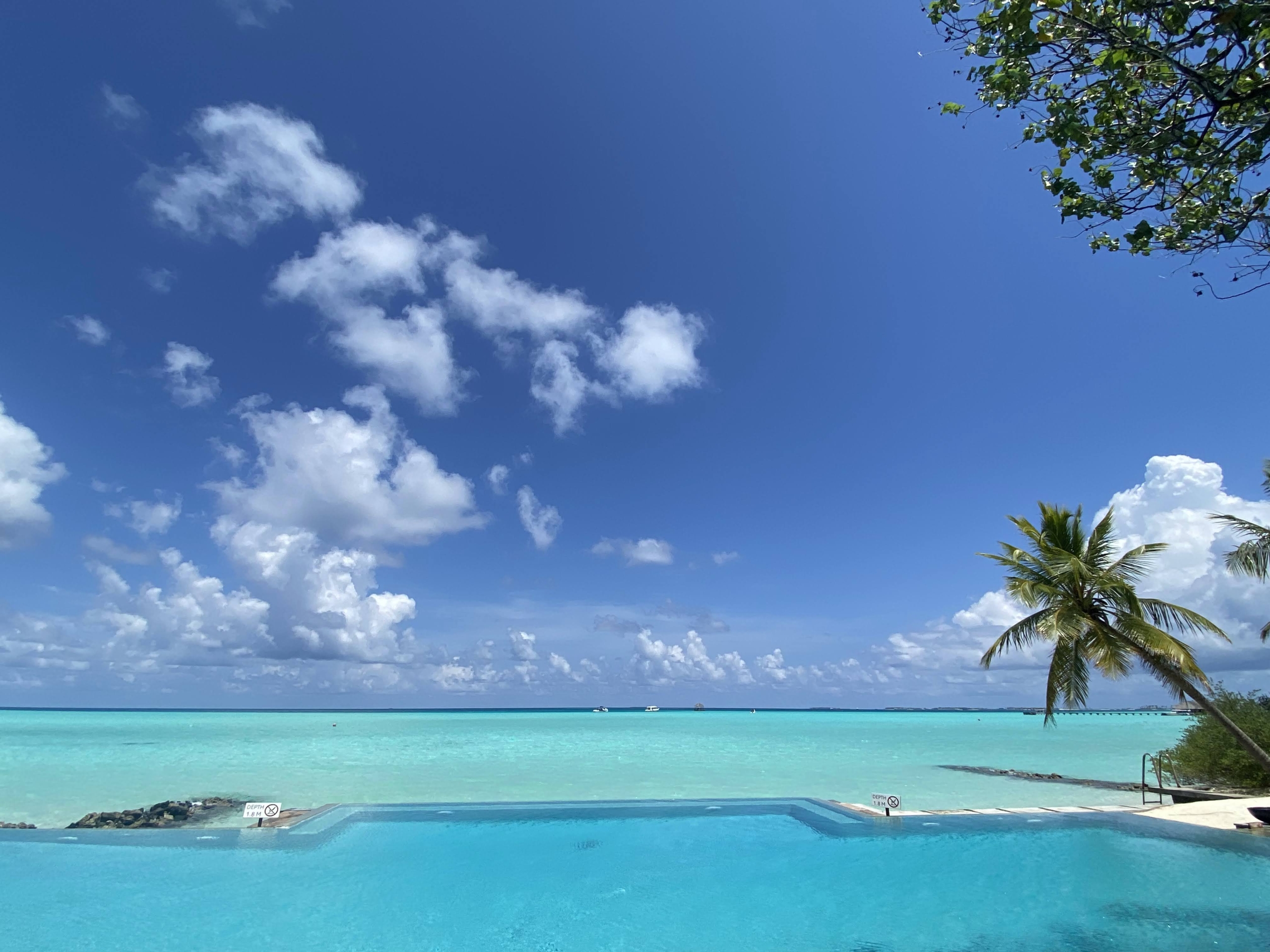
This close connection to nature is part of what makes the Maldives distinctive, not just as a destination, but as a nation with its own rhythm and way of life.
Final Note
The Maldives is far more than a luxury holiday destination. It is a unique island country with a rich history, strong cultural identity, and a global presence that far exceeds its size.
For readers, travellers, and investors alike, understanding the Maldives as a country provides valuable context for appreciating why it continues to capture worldwide attention.


