

Choosing between a studio apartment and a one-bedroom apartment is one of the most common decisions buyers face when entering the property market. At first glance, the choice appears straightforward. Studios are generally more affordable and compact, while one-bedroom apartments offer greater privacy and flexibility. In practice, the decision is rarely that simple.
The right apartment depends on far more than price or floor area. Your lifestyle, financial situation, career, plans and even your daily routine can all influence which option represents better value. A first-time buyer may prioritise affordability, while someone working remotely might place greater importance on having separate living and working spaces. Likewise, an investor is likely to evaluate the property very differently from someone purchasing a long-term home.
One of the biggest misconceptions is that a one-bedroom apartment is simply a better version of a studio. In reality, each serves a different purpose. A thoughtfully designed studio in the right location can be a smarter purchase than a poorly planned one-bedroom. At the same time, an extra room may provide flexibility that becomes invaluable as your lifestyle changes.
Rather than asking which apartment is objectively better, a more useful question is this: Which apartment is better for you?
This guide explores the advantages and disadvantages of both property types, explains the factors experienced buyers consider before making a decision, and highlights common mistakes that can affect your lifestyle and long-term investment.
Understanding the Difference
Before comparing costs, investment potential, and day-to-day living, it’s worth understanding what sets these two apartment types apart.
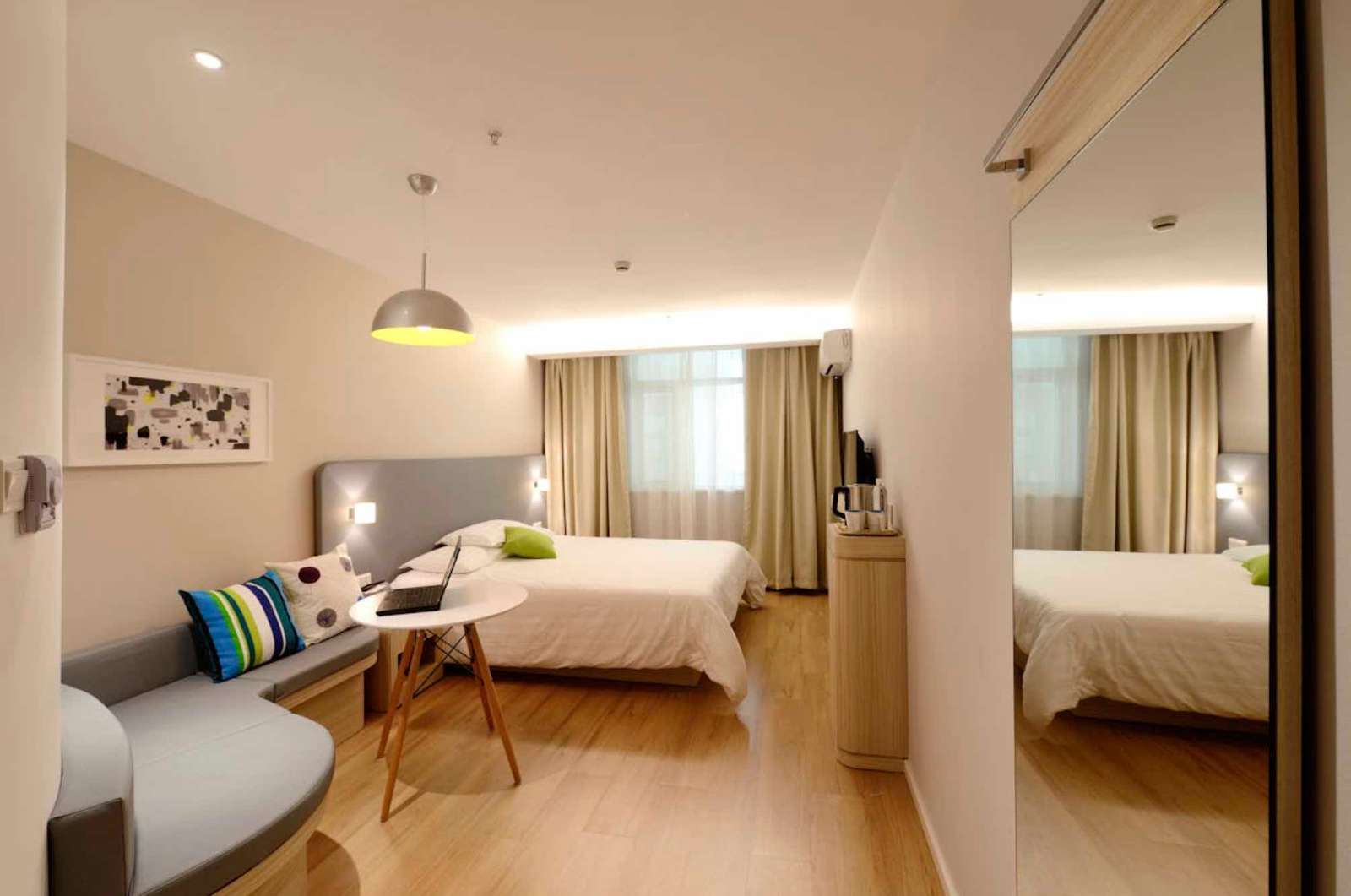
A studio apartment is a self-contained home where the living room, bedroom and kitchen share one open-plan space, with only the bathroom separated. The design focuses on making efficient use of every available square metre or square foot. Many modern studios include built-in wardrobes, compact kitchens and multifunctional furniture that maximise usability without requiring a large footprint.
A one-bedroom apartment includes a separate bedroom, living room, kitchen, and bathroom. While the overall size may not always be dramatically larger than a studio, the layout creates a different living experience. The dedicated bedroom offers greater privacy, improved organisation and more flexibility for entertaining guests, working from home or simply separating different parts of everyday life.
Although these definitions seem straightforward, choosing between them is about much more than the number of rooms. The better option depends on how you intend to live in the property, how long you expect to own it and what you want it to achieve.
Studio vs One-Bedroom: Purchase Price and Running Costs
For many buyers, budget is the starting point. Studios generally require a lower initial investment, making them an attractive choice for first-time buyers, young professionals and investors seeking an affordable entry into the property market. Lower purchase prices can also make financing more manageable, particularly for buyers working within a fixed budget.
However, focusing solely on the purchase price can lead to an incomplete picture. Owning a property involves ongoing expenses that continue long after the sale is completed.
Depending on where you live, these may include:
- Mortgage repayments or financing costs
- Property taxes, where applicable
- Service or maintenance charges
- Utilities
- Building insurance
- Repairs and general maintenance
- Furnishing and replacement costs
Because studios occupy less space, they often cost less to heat, cool, furnish and maintain. These savings may appear modest month to month, but over several years, they can make a meaningful difference to the overall cost of ownership. A one-bedroom apartment generally involves slightly higher ongoing costs, but it also offers additional living space and greater flexibility. For buyers planning to remain in the property for many years, paying slightly more today may reduce the likelihood of needing to move again as their circumstances change. This is why experienced buyers rarely compare apartments based on purchase price alone. Instead, they consider the total cost of ownership alongside the lifestyle benefits each property provides. After all, the least expensive property is not always the one that delivers the best long-term value.
Real Estate Agent’s Advice
Think beyond today’s budget. One of the most common mistakes buyers make is purchasing for the life they have today rather than the life they expect to have in a few years. A studio apartment may seem like the obvious financial choice, but if you anticipate working from home, living with a partner or spending more time at home, you may outgrow the space sooner than expected. Moving again involves its own costs, including legal fees, moving expenses, furnishing another property and, in some markets, additional taxes or transaction costs.
At the same time, stretching your finances to buy a larger apartment can place unnecessary pressure on your monthly budget if you sacrifice financial flexibility.
The best purchase is rarely the cheapest or the largest. It is the one that comfortably supports both your current needs and your future plans.
Studio vs One-Bedroom: Lifestyle and Everyday Living
Price is only one part of the decision. Once you’ve lived in a property for a few months, the way it functions day to day often becomes far more important than the amount you paid for it. This is where the differences between a studio and a one-bedroom become most noticeable.
Living Space
A studio apartment encourages a simpler, more minimalist way of living. Every part of the home serves multiple purposes, with the living area often doubling as the bedroom and, in some cases, the dining room or workspace. For people who spend much of their time at work, travel frequently or prefer a low-maintenance lifestyle, this efficient use of space can be an advantage rather than a compromise. A one-bedroom apartment offers a more traditional layout. The separation between living and sleeping areas creates a stronger sense of organisation, allowing each room to serve a distinct purpose. Interestingly, this means a one-bedroom can often feel more spacious than a larger studio, even when the difference in floor area is relatively small. The layout, rather than the square footage alone, often has the greatest influence on how spacious a home feels.
Privacy
Privacy is one of the factors buyers tend to underestimate until they have lived in the property. In a studio apartment, almost every activity takes place in the same room. Relaxing after work, entertaining guests, sleeping and working from home all happen within a single shared space. For some people, this is perfectly acceptable. For others, particularly couples or those who regularly invite friends or family over, the lack of separation can become frustrating over time. A one-bedroom apartment provides a dedicated private space while allowing the living area to remain available for entertaining, working or everyday activities. That separation often creates a greater sense of comfort than many buyers expect.
Which is better for Working From Home?
The way people use their homes has changed significantly in recent years. For someone who works remotely only occasionally, a studio may provide all the space they need. A compact desk or fold-away workstation can be enough for a few hours of work each week.
However, if your home has become your primary workplace, the equation changes. Working, relaxing and sleeping in the same room can make it difficult to switch off at the end of the day. A one-bedroom apartment allows you to create a clearer distinction between work and personal life, even if your office occupies only one corner of the living room. For many remote professionals, that separation can improve both productivity and overall well-being.
Storage and Organisation
Storage is another consideration that becomes increasingly important over time. Many buyers focus on floor area while overlooking where everyday items will actually be stored. Luggage, seasonal clothing, sports equipment, household supplies and hobby equipment can quickly make a studio feel cluttered if storage is limited. A one-bedroom apartment usually provides additional wardrobes, cupboards or utility space, making it easier to keep the home organised.
That said, good design often matters more than size. A thoughtfully planned studio with built-in storage can feel more functional than a poorly designed one-bedroom with awkward layouts or wasted space. This is why experienced buyers look beyond the floor plan. They consider how the property will support their daily routine, rather than simply comparing the number of square metres or bedrooms.
Is a Studio or One-Bedroom Better for Living or Investing?
Before comparing rental returns, resale potential or future flexibility, it helps to answer one simple question: Are you buying a home, or are you buying an investment?
Although the same property can sometimes satisfy both objectives, buyers who intend to live in the apartment usually evaluate it very differently from investors. If you’re purchasing a home for yourself, day-to-day comfort is likely to be your priority. You’ll probably care more about privacy, storage, commuting, natural light and whether the layout suits your lifestyle than whether it generates the highest possible rental return.
Investors, on the other hand, tend to look at the property through a different lens. Rather than asking, “Will I enjoy living here?”, they’re more likely to ask:
- Will this apartment appeal to tenants?
- What are the ongoing ownership costs?
- How easy will it be to rent?
- What are the long-term resale prospects?
- Does the expected return justify the purchase price?
Neither approach is more important than the other. The key is understanding which one applies to you.
Buying a property that perfectly suits tenants but doesn’t suit your own lifestyle can lead to years of frustration. Equally, purchasing a beautiful apartment that few tenants want may not be the strongest investment if rental income is your primary objective. Understanding your purpose makes every decision that follows much clearer.
Studio vs One-Bedroom as an Investment
There is a common assumption that one apartment type always performs better as an investment than the other. In reality, the answer depends on the local property market, tenant demand and your investment strategy. Studios often appeal to investors because they usually require a lower initial investment. In many markets, they attract students, young professionals, frequent travellers and people seeking affordable accommodation close to employment or transport links. However, these tenants may also move more frequently. Higher tenant turnover can lead to additional advertising, cleaning, maintenance and vacancy costs between tenancies.
One-bedroom apartments generally attract a broader range of tenants, including couples, professionals working remotely and long-term residents. Because these tenants may stay longer, owners can sometimes benefit from more stable occupancy and lower turnover costs.
That doesn’t automatically make one-bedroom apartments the better investment.
A well-located studio in an area with strong rental demand can outperform a one-bedroom in a less desirable location. Likewise, a one-bedroom in a growing neighbourhood may deliver stronger long-term capital growth than a studio elsewhere.
This is why experienced investors rarely ask whether studios or one-bedroom apartments are better. Instead, they ask whether this particular property makes sense in this particular market.
The property itself is only one part of the equation. Location, local demand, building quality, management standards and future development in the surrounding area often have a greater influence on investment performance than the number of bedrooms alone.
If you’re buying a newly built property, it’s also worth understanding how purchasing an off-plan development differs from buying a completed home. Construction timelines, payment plans and investment risks can all influence which option is best suited to your goals.
Which Buyer Are You?
The right choice often becomes clearer when you consider how you intend to use the property.
| Buyer Profile | Studio Apartment May Suit You If… | One-Bedroom Apartment May Suit You If… |
| First-time buyer | You’re looking for an affordable entry into the property market and want to keep ownership costs manageable. | You can comfortably stretch your budget and want more flexibility as your lifestyle evolves. |
| Young professional | You spend little time at home and value location more than additional space. | You regularly work from home or want greater separation between work and personal life. |
| Couple | You prefer lower costs and are comfortable sharing an open-plan living space. | You value privacy, entertaining guests and planning for future lifestyle changes. |
| Frequent traveller | You’re often away and want a home that’s easy to maintain and inexpensive to run. | You spend longer periods at home and appreciate additional comfort between trips. |
| Property investor | Your chosen market has a strong demand for compact, affordable rental properties. | You’re targeting longer-term tenants and broader resale appeal. |
| Long-term homeowner | Your space requirements are unlikely to change significantly. | You expect your lifestyle, family or work arrangements to evolve. |
Rather than treating this table as a set of rules, think of it as a guide. Individual priorities will always vary, and there are many situations where either option could be the right decision.
Resale Value and Future Flexibility
Buying a property is rarely just about today. Even if you expect to live there for many years, it’s worth considering how easily the apartment may adapt to changing circumstances, whether those changes involve your own lifestyle or the wider property market. One-bedroom apartments often appeal to a broader range of future buyers. They can accommodate individuals, couples, remote workers and small households, giving them wider market appeal in many locations.
Studios remain highly desirable in areas where affordability, convenience and location are priorities. First-time buyers, investors, and professionals looking for low-maintenance homes continue to drive demand in many cities.
The important lesson is that resale value is influenced by far more than the number of bedrooms. A thoughtfully designed studio in an excellent location may attract stronger buyer interest than a poorly maintained one-bedroom in a less desirable area.
The type of ownership can also influence the long-term value and flexibility of a property. Before making a purchase, it’s worth understanding the differences between freehold and leasehold ownership, particularly in markets where both options are available.
When assessing future resale potential, experienced buyers typically consider several factors together:
- The location and accessibility of the property.
- The quality and reputation of the building.
- The apartment’s layout and natural light.
- Ongoing ownership costs.
- Demand from both owner-occupiers and investors.
- Planned infrastructure or future development nearby.
These factors often have a greater influence on long-term value than simply choosing between a studio and a one-bedroom.
Planning for the Future
One of the most valuable questions you can ask before purchasing any property is not:
“What do I need today?” Instead, ask:
“What will I probably need five years from now?”
Life rarely stays the same. You may begin working remotely, start living with a partner, welcome children, change careers, or simply spend more time at home than you do today. Many buyers underestimate how quickly their housing needs evolve. Choosing a property that can adapt to those changes may reduce the likelihood of needing to move again within a few years, saving both time and money. That doesn’t necessarily mean buying the larger apartment. It means buying the apartment that is most likely to continue supporting your lifestyle as it changes.
Common Mistakes Buyers Make
Most purchasing decisions are not regretted because buyers chose a studio instead of a one-bedroom, or vice versa. They are regretted because buyers focus on one factor while overlooking several others.
Some of the most common mistakes include:
- Choosing the cheapest apartment without considering how it will support your lifestyle over the coming years.
- Assuming that a larger apartment automatically represents better value.
- Underestimating the importance of storage, natural light, practical layouts and ease of living.
- Focusing only on the purchase price while overlooking ongoing ownership costs.
- Buying an investment property without researching local tenant demand.
- Assuming future rental income or resale performance without understanding the local market.
- Purchasing for today’s circumstances rather than anticipating future lifestyle changes.
Perhaps the most common mistake of all is believing there is a universally correct answer. There isn’t. The best apartment is the one that aligns with your financial situation, your lifestyle and your long-term objectives, not someone else’s.
Real-World Buyer Scenarios
Every property purchase is unique, but the following examples illustrate how different priorities can lead to different decisions. None of these buyers is making the “right” or “wrong” choice. They’re simply choosing the apartment that best suits their circumstances.
First-Time Buyer
Emma has saved for several years to buy her first property. She has a stable job, spends most of her weekdays at the office and enjoys travelling on weekends. Her priority is entering the property market without stretching her finances too far. For Emma, a studio apartment makes sense. It allows her to buy sooner, keeps her monthly ownership costs manageable and provides everything she needs for her current lifestyle. While she recognises she may eventually need more space, building equity today is more important than waiting several more years to afford a larger apartment.
Remote Professional
James works from home four days a week and spends several hours each day on video calls with clients. He initially considered a studio because it was more affordable, but after viewing several properties, he realised his workspace would also become his bedroom and living room. Instead, he chose a one-bedroom apartment. The additional room wasn’t simply about having more space. It allowed him to separate work from personal life, making his home feel more organised and comfortable while improving his productivity throughout the working day.
Property Investor
Sophia isn’t buying a home to live in. Her priority is building a property portfolio that generates reliable long-term returns. Rather than asking whether a studio or one-bedroom apartment is the better investment, she researches the local market. She compares purchase prices, rental demand, vacancy rates, tenant profiles and future development plans before making a decision.
In her chosen location, one-bedroom apartments attract longer-term tenants and experience lower turnover, making them the stronger investment despite their higher purchase price. In another market, however, the opposite decision might have been equally valid. Her success comes from matching the property to the market, not from assuming one apartment type always performs better than the other.
Studio vs One-Bedroom at a Glance
If you’re still undecided, this comparison summarises the key differences discussed throughout the guide.
| Studio Apartment | One-Bedroom Apartment |
| Lower purchase price | Higher purchase price |
| Lower ongoing ownership costs | Higher running costs |
| Efficient use of space | Greater privacy and separation of living areas |
| Easier to clean and maintain | More storage and organisational flexibility |
| Ideal for minimalist lifestyles | Better suited to long-term living |
| Often attractive to first-time buyers and entry-level investors | Appeals to a broader range of buyers and tenants |
| May become restrictive as lifestyle needs change | Greater adaptability as circumstances evolve |
While these comparisons provide a useful overview, they shouldn’t be viewed as fixed rules. A thoughtfully designed studio may be a better purchase than a poorly planned one-bedroom, just as an excellent location may outweigh an additional room.
Ultimately, the overall quality of the property, its location and how well it aligns with your goals will usually have a greater impact on your satisfaction than the number of bedrooms alone.
Before You Decide: A Final Checklist
Before committing to any property purchase, take a moment to consider the bigger picture.
Ask yourself:
- Am I buying this property to live in or primarily as an investment?
- How long do I realistically expect to own it?
- Can I comfortably afford the ongoing costs as well as the purchase price?
- Will my lifestyle change over the next five to ten years?
- Would I work from home in the future?
- How important are privacy and separate living spaces to me?
- Do I enjoy entertaining friends and family at home?
- Do I want a comfortable space for overnight guests to stay?
- Would I rather prioritise a better location or additional living space?
- Do I have hobbies or equipment that require extra storage?
- Am I choosing based on today’s circumstances or planning for tomorrow’s?
There are no universally correct answers to these questions. Their purpose is simply to help you evaluate the property in the context of your own priorities rather than someone else’s.
Final Thoughts
Throughout this guide, we’ve explored the financial, practical and lifestyle considerations that influence that decision. If you’ve taken the time to think about how you’ll use the property, how long you expect to own it and what you want it to achieve, you’re already approaching the purchase the way experienced buyers do.
Whether you choose a studio or a one-bedroom, the most successful property purchases are those made with a clear understanding of your priorities, rather than assumptions or trends.
After all, a home isn’t defined by the number of rooms it has, but by how well it supports the life you live inside it.


